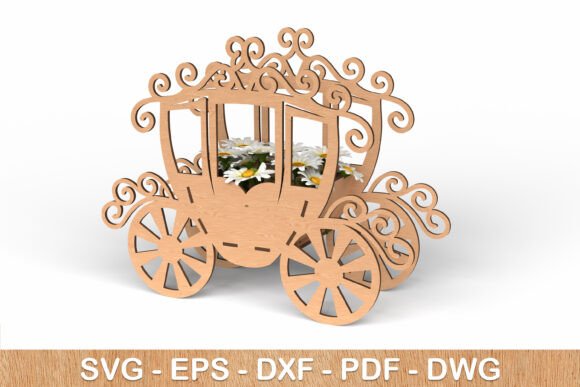
3D Fairy Carriage Flower Holder
Transforming a simple floral arrangement into a whimsical centerpiece requires more than just fresh blooms; it demands a structural foundation that captures attention. The 3D Fairy Carriage Flower Holder offers exactly that, bridging the gap between traditional home decor and imaginative design. For creators, hobbyists, and small business owners alike, having access to precise digital templates for such intricate objects can significantly elevate the quality of finished projects. This guide explores how these digital assets can be utilized across various industries, from crafting physical models to integrating them into broader design workflows.
Understanding the Design Potential
At its core, a 3D model of a fairy carriage is not merely a decorative item but a versatile geometric structure. When designed with openwork patterns or lattice structures typical of fantasy-inspired carriages, it provides an ideal framework for holding flowers, candles, or small plants. The visual weight of the carriage balances beautifully with the organic softness of floral elements, creating a striking contrast that appeals to modern aesthetic sensibilities.
For professionals in interior styling or event planning, this specific design allows for rapid prototyping of unique centerpieces. Instead of sourcing expensive, mass-produced decor items that lack character, designers can use digital files to create custom pieces that align perfectly with a client’s theme. Whether it is a rustic wedding, a magical-themed birthday party, or a boutique hotel lobby installation, the adaptability of the 3D Fairy Carriage Flower Holder makes it a valuable asset in any creative toolkit.
File Format Versatility and Workflow Efficiency
The true value of digital design assets lies in their compatibility with various manufacturing and design software. A comprehensive package typically includes multiple file formats, ensuring that users can work within their preferred ecosystem without conversion errors or loss of detail. Understanding which format serves which purpose is crucial for efficient project management.
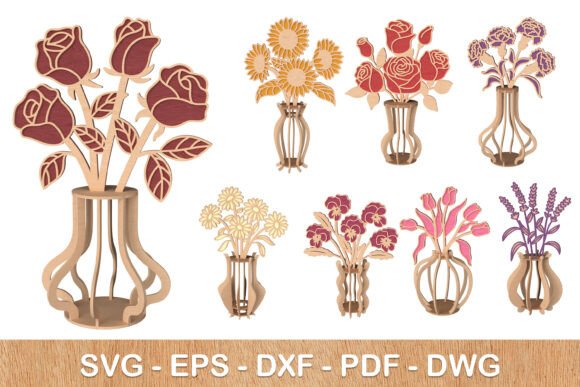
- SVG (Scalable Vector Graphics): Ideal for vector-based design software like Adobe Illustrator. These files are perfect for 2D cutting plans, laser engraving on flat surfaces, or creating scalable graphics for web and print media.
- DXF (Drawing Exchange Format): Widely supported by CAD programs and laser cutters. This format is essential for precision cutting on materials like acrylic, wood, or metal, ensuring clean lines and accurate dimensions.
- EPS (Encapsulated PostScript): Another robust vector format often used in professional printing workflows. It maintains high-quality resolution for large-format prints, such as banners or signage featuring the carriage motif.
- PDF (Portable Document Format): Useful for viewing, sharing, and printing reference images or scaled blueprints. PDFs ensure that the design looks consistent across different devices and operating systems.
- DWG (AutoCAD Drawing): The native format for AutoCAD users. This allows architects and engineers to import the design directly into complex 3D modeling environments for further modification or integration into larger architectural projects.
By providing all these formats in a single zip folder, the purchase eliminates the need for time-consuming conversions. This saves valuable hours for freelancers and agencies who need to deliver projects quickly. It also reduces the risk of technical glitches that can arise when translating files between incompatible software versions.
Practical Applications Across Industries
The versatility of the 3D Fairy Carriage Flower Holder extends far beyond simple craft projects. Its application spans multiple sectors, each leveraging the design for distinct outcomes.
Home Decor and DIY Enthusiasts
For hobbyists, the ability to create a one-of-a-kind home accent is a primary driver. Using materials like basswood, acrylic, or even thick cardstock, individuals can assemble a carriage that serves as a stunning table centerpiece. The open design allows for easy insertion of flower stems, while the 3D aspect adds depth and shadow play, especially when illuminated by candles placed inside or around the base. This appeals to those seeking personalized, handmade decor that reflects individual taste rather than generic store-bought options.
Stationery and Paper Craft
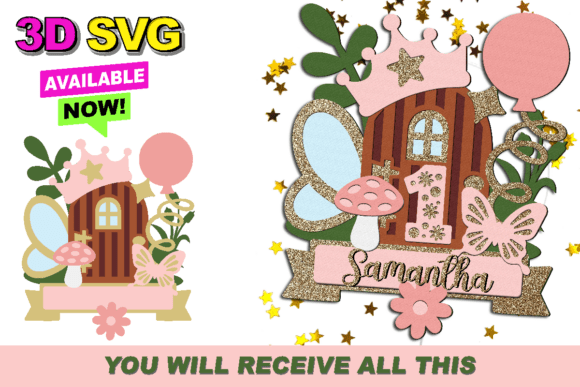
In the realm of paper engineering, the SVG and DXF files can be used to create intricate pop-up cards or scrapbooking elements. The detailed cut lines allow for delicate paper folding techniques that result in a miniature 3D carriage emerging from a flat page. This is particularly effective for invitation suites, where the tactile experience of opening a card enhances the emotional impact of the message.
Textile and Fashion Printing
Designers working in fashion or textile arts can utilize the EPS and PDF files to transfer the carriage pattern onto fabrics. Whether printed on silk scarves, cotton dresses, or packaging paper, the repeating or isolated motifs add a touch of fantasy to everyday items. The scalability of vector formats ensures that the design remains crisp whether applied to a small button or a full-length gown.
Packaging and Branding
Small businesses looking to differentiate their products can incorporate the 3D Fairy Carriage Flower Holder into their branding strategy. Imagine gift boxes for florists, bakery items, or luxury goods that feature die-cut windows shaped like the carriage. This level of detail signals quality and care, enhancing the unboxing experience for customers. For marketers, this creates shareable moments on social media, driving organic engagement through visually appealing content.
Considerations for Successful Implementation
While the digital files provide the blueprint, the success of the final product depends on material selection and fabrication methods. Users should consider the thickness and rigidity of their chosen material. Thinner materials may require additional support structures to maintain the 3D integrity of the carriage, while thicker materials might necessitate adjustments to the joinery points in the design software.
Furthermore, the scale of the final piece should be planned according to its intended use. A desktop-sized holder requires different proportions than a floor-standing installation. Professionals should always create a test print or prototype using inexpensive materials like cardboard before committing to costly substrates like acrylic or hardwood. This step helps identify potential assembly issues and refines the understanding of how light and shadow interact with the design’s negative space.
Maximizing Creative Freedom
The inclusion of diverse file formats empowers users to experiment without constraints. An educator might use the PDFs for classroom lessons on geometry and spatial reasoning, allowing students to visualize 3D forms through 2D representations. A blogger could document the process of building the carriage, sharing tips on material choices and assembly techniques, thereby adding value to their audience while promoting the utility of the design.
Ultimately, the 3D Fairy Carriage Flower Holder represents more than just a template; it is a starting point for innovation. By providing the tools necessary to bring this fantasy element into reality, creators can focus on what matters most: delivering unique, meaningful, and aesthetically pleasing results. Whether you are streamlining your production workflow or exploring new artistic horizons, having access to high-quality, multi-format designs supports efficiency and encourages creative exploration.
Thank you for considering these resources for your next project. By leveraging the flexibility of SVG, DXF, EPS, PDF, and DWG files, you can unlock endless possibilities for home decor, stationery, textiles, and beyond. The creation options are truly limitless, limited only by your imagination and the materials at hand.